Is Road Schooling the Right Fit for Your Family
There's no denying that the last two school years have looked anything but normal. When the pandemic shut down in-person schools, it opened the door for new learning opportunities. While public and some private schools switched to virtual learning, some families decided to opt into homeschooling. With more parents than ever working from home as well, the unique option of road schooling is growing in popularity.
What is road schooling?
Road schooling is exactly like it sounds. It's doing school on the road. Before the 19-20 school year ended in the midst of the pandemic, road schooling was reserved for homeschooling families. But now that virtual learning has continued to be an option for many families, the road schooling option has expanded to public school families as well. Road schooling can look a lot of different ways. If your children are still in public school, you may need to make sure you're connected to wi-fi at the right times of day for them to join their class lessons. But if you're homeschooling, you have the freedom to structure your day however you choose. Some families like to make homeschool look similar to traditional schooling while others like to use the "unschooling" approach by allowing learning to happen on the fly. So, you may be wondering, is this pretty much just doing school on the road? And the answer is—sort of. Yes, it's doing school in an RV, but it's so much more than that. It's allowing children to learn through experiences. Think about how much more "real" and fun learning becomes to children when they are able to see and interact with what they're learning about.Here's an example of what this looks like from an article written by Karen Akpan, who is the mom in a road schooling family:
"For example, while in Huntsville, Alabama, we visited the Space and Rocket Center, which turned into a whole lesson about space and astronauts."
Roadschooling allows you to combine education with real-life experience. This makes "school" more exciting and memorable for children. They aren't sitting in a classroom bored out of their minds, they're living life and having an adventure.
Is road schooling right for my family?
If you're getting excited about the possibility and wondering if it's a good fit for your family, start this summer, for a trial run. You can pack up the RV and hit destinations around the state or country to see how it would work for your family. Look for places where you and your family can explore together and learn new things. It could be about the plants you see as you hike through the state park or checking out a historic location that's near your home. Discover how you can add in learning experiences while also enjoying a vacation on the road. You can work on finding the right balance of travel, staying in camp, exploring the area, and working remotely before you add the start of the school year. If you decide that it's not for you, no problem. The kids can be back in school when it starts. But if you fall in love with the lifestyle of road schooling, you can explore the option of doing it full-time.What type of RV is good for roadschooling?
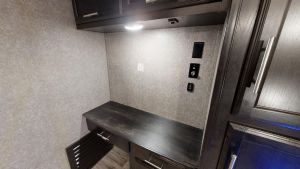 Truly, any RV could work for roadschooling. So, if you already have an RV in your driveway (or storage) then you can get started with what you have. If you're looking at switching to full-time RVing and roadschooling or getting started for the first time there are some things you'll want to consider:
- Storage space - Think through where you're going to keep your school (and work) supplies as you travel.
- Work space - If you plan on using a traditional curriculum option with workbooks or lots of computer work, you want to make sure that each child has a space to set up and get to work. And if you'll be working remotely, you'll need a place to work too. This can either require multiple work surfaces or rotating who is using the space at a time.
- Size of RV - If you want to keep your options open for where you stay as well as travel through cities easily, you'll want to pay attention to the size of RV you buy. Some parks have restrictions. If you have a small family, you may prefer a Class B campervan.